How to Choose Emergency Shelter Supplies for Your Family
Quick Summary
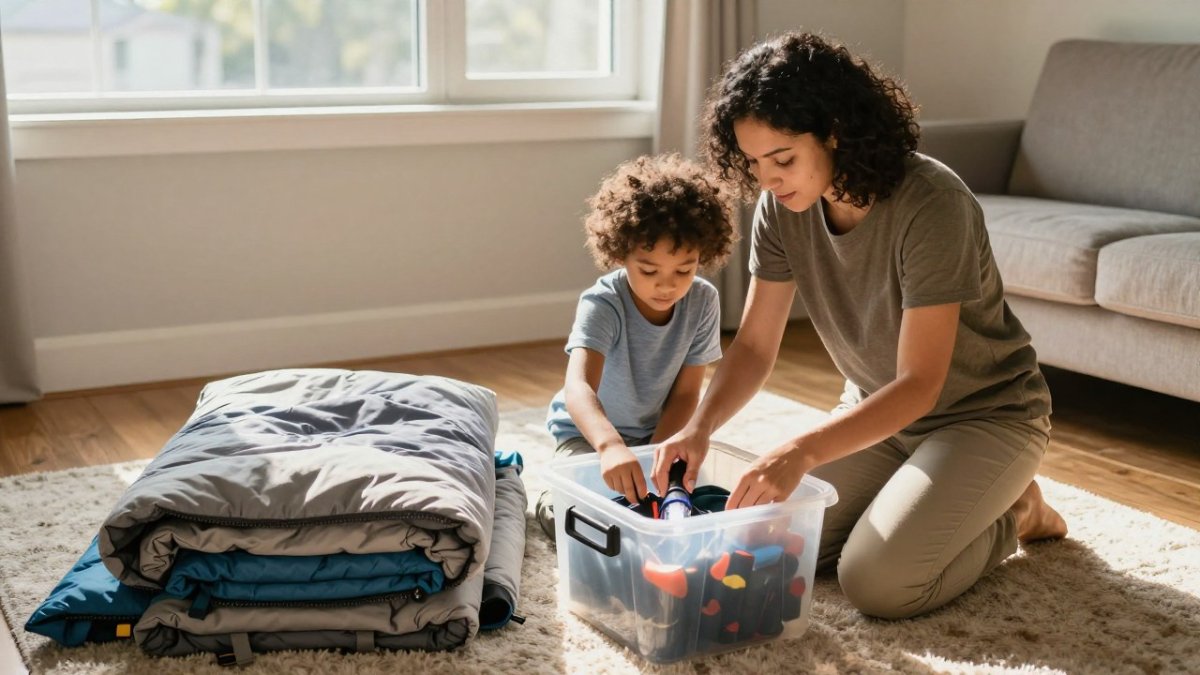
Choose emergency shelter supplies by first deciding whether your family will shelter in place or evacuate, since each plan needs different gear. Then cover each person's sleep system: insulation from the ground, warmth on top, and dry storage for bedding. Keep the kit's quantities matched to each household member's age and needs.
- Shelter-in-place needs bedding, warmth, lighting, and blocking for drafts or rain.
- Evacuation needs compact, lightweight gear, so a tarp often beats a bulky tent.
- Each person needs ground insulation such as a foam pad, which blocks heat loss faster than air.
- Store sleeping bags loosely rather than compressed, and air them out once a year.
- Test your family's shelter setup at home, with each person sleeping in it for one night.
Table of Contents
- Why Shelter Supplies Matter in a Family Emergency Kit
- Shelter-in-Place Versus Evacuation: Which Supplies Each Plan Needs
- Tents, Tarps and Emergency Shelters Compared
- Sleeping Bags and Thermal Blankets: Keeping Each Person Warm
- Family Emergency Kit Checklist: Quantities for Each Household Member
- Packing a 72-Hour Emergency Kit for Children, Pets and Special Needs
- Extending Your Plan: A 14-Day Emergency Kit List and Storage Tips
- Building Your Shelter Kit This Week
- Frequently Asked Questions
Why Shelter Supplies Matter in a Family Emergency Kit
Last Updated: November 7, 2026
Most families stock water and canned food before a storm. Far fewer think about where they will sleep, stay warm, or stay dry with emergency shelter supplies if they cannot go home. Shelter is often one of the weakest links in a household plan.
Shelter supplies cover more than a roof. They include weather protection, ground insulation, warmth for each person, and a way to keep bedding dry. A family can have plenty of food and still face a miserable or dangerous night if they have no way to stay warm or dry.
Emergency-kit guidance from the National Weather Service focuses on portable, multipurpose supplies such as water, nonperishable food, lighting, first aid, and a container to carry it all. Shelter gear fits into that list, but it needs its own planning because bulk and weight matter more than most people expect.
Family needs also change the calculation. The American Red Cross recommends tailoring kits to medical, infant-care, and comfort needs, which means one generic kit rarely fits every household. Start with who lives in your home, then decide what shelter they need.
Shelter-in-Place Versus Evacuation: Which Supplies Each Plan Needs
Staying put and leaving require different gear. Shelter-in-place means you stay at home with power, water, and food that may be disrupted. Evacuation means you leave on short notice and carry what you need.
For shelter-in-place, prioritize bedding, warmth, lighting, and a way to block drafts or rain if part of your home is damaged. To match shelter choice to your hazard and household needs in a private, printable checklist, use the shelter decision planner. For evacuation, weight and portability come first. A compact emergency blanket and a lightweight tarp often beat a bulky tent.
Many families plan for both. A practical approach is to keep a full shelter setup at home and a smaller kit in the vehicle or a go bag. FlintReady's guides on emergency tarp shelter configurations explain how to set up cover quickly in either situation.
Tents, Tarps and Emergency Shelters Compared
Shelter options fall into three main groups: tents, tarps, and specialty emergency shelters. Each does a different job.
| Option | Best for | Main trade-off |
|---|---|---|
| Family-sized tent | Sleeping several people in one space | Bulky, needs a flat site |
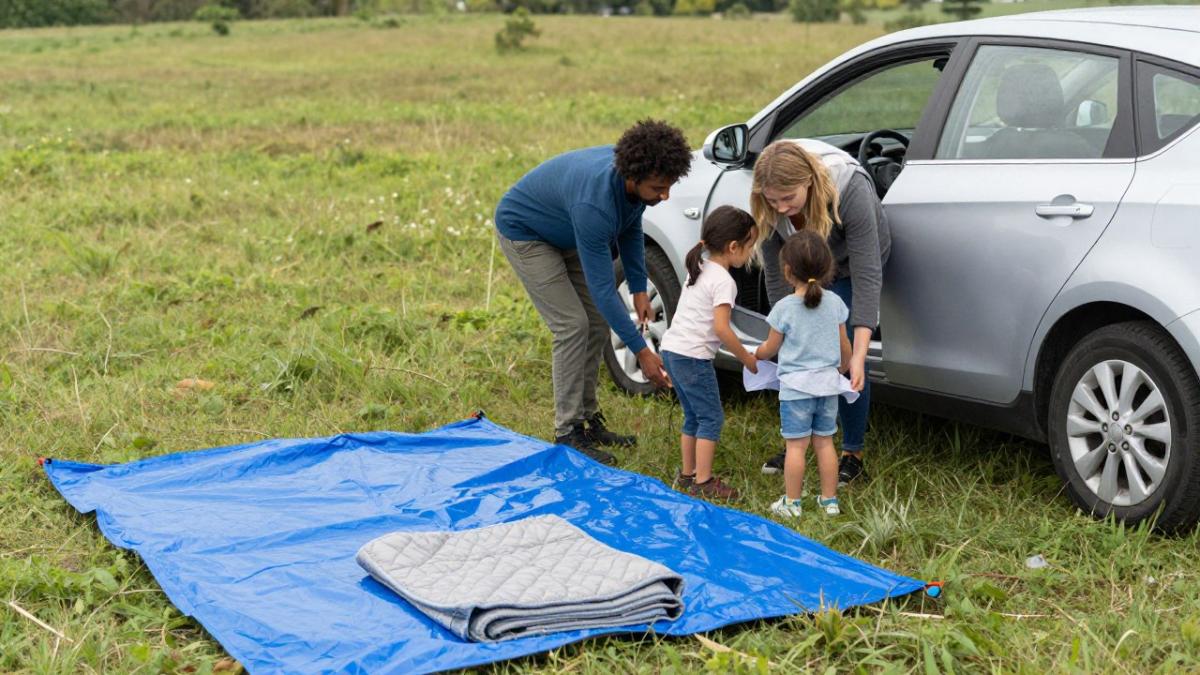
| Heavy-duty tarp | Rain cover, shade, and ground protection | Needs anchor points and setup skill |
| Emergency storm shelter | Compact protection for one or two people | Limited space, fewer comfort features |
Family-sized tents provide the most privacy and sleeping room. Tarps are lighter and more flexible, but they require practice. For a fuller overview of shelter systems and when each fits your situation, see shelter systems and when each fits. A tarp you have never set up will fail when you need it most.
Specialty shelters such as compact storm shelters can suit urban apartments or evacuation bags. They rarely offer much room, so check the sleeping footprint against your household size before buying.
Store tents and tarps where you can reach them quickly. Test them once a year, and replace any item with torn fabric or missing stakes, since worn emergency shelter supplies fail when you need them most.
Sleeping Bags and Thermal Blankets: Keeping Each Person Warm
Warmth is often more important than shelter structure. To build a sleep system that separates weather protection, ground insulation, and dry bedding, see ground insulation and dry bedding setup.
Start with the sleep system. A complete setup for each person includes:
- Insulation from the ground: a foam pad, air mattress, or thick cardboard layer. Ground contact drains body heat faster than air.
- Warmth on top: a sleeping bag rated for the expected low temperature, or two blankets layered. Thermal blankets reflect heat but tear easily and add little insulation alone.
- Pillow or head support: a stuff sack filled with clothing works in a pinch.
- Dry storage: keep bedding in a sealed dry bag or plastic bin so it stays usable.
For family-sized tents, choose a model with a sleeping footprint that matches your household. A four-person tent typically fits two adults and two children with gear; a six-person tent gives more room for cots or air mattresses.
Privacy matters, especially with children or mixed-age groups. Simple solutions:
- Use a larger tent with a room divider or two smaller tents connected by a tarp.
- Hang a lightweight tarp or blanket as a visual screen inside a large tent.
- Assign sleeping zones by person and pack a small headlamp for each.
Cots and air mattresses improve comfort but add bulk and weight. For shelter-in-place, a cot keeps bedding off a cold floor and is easier for older adults to use. For evacuation, prioritize compact foam pads and sleeping bags over cots.
Watch out: sleeping bags lose insulation when compressed for long periods. Store them loosely, not in stuff sacks, and air them out once a year.
Test your sleep system as a family: set up the tent and bedding in the yard or living room, and have each person sleep in it for one night. This reveals gaps in warmth, space, and privacy before an emergency does.
Family Emergency Kit Checklist: Quantities for Each Household Member
Most emergency-kit lists tell you what to pack but not how much. For families, quantity is where plans fail: two adults and two children need different volumes of water, warmth, and medication than a single adult. Use the table below as a starting point, then adjust for age, climate, and medical needs.
| Household member | Water (per day) | Food (per day) | Shelter & warmth | Medication & hygiene |
|---|---|---|---|---|
| Adult | 1 gallon | 2,000 calories | 1 sleeping bag or 2 blankets, 1 foam pad | 7-day supply of prescriptions, 1 hygiene kit |
| Child (6-12) | 0.75 gallon | 1,500 calories | 1 child-sized sleeping bag or 2 blankets, 1 foam pad | 7-day supply of prescriptions, child hygiene kit |
| Infant (0-2) | 1 gallon (for formula and cleaning) | Formula or breast milk, baby food | 2 extra blankets, 1 portable crib or safe sleep space | Diapers (8-10 per day), wipes, rash cream |
| Older adult | 1 gallon | 1,800 calories | 1 sleeping bag or 2 blankets, 1 foam pad, extra warm layer | 14-day supply of prescriptions, hearing-aid batteries, glasses |
| Pet (medium dog) | 0.5-1 gallon | Pet food (per label) | 1 blanket, crate or carrier | Medications, leash, waste bags |
These figures assume a 72-hour kit. For a 14-day kit, multiply water and food by 14, and ensure medications cover the full period plus a buffer.
Age-specific packing notes:
- Infants: pack diapers at 8-10 per day, plus formula and bottles. Include a safe sleep space such as a portable crib or bassinet; do not rely on adult bedding.
- Children: include a comfort item and a flashlight they can operate themselves. Pack one change of clothes per day plus one extra set.
- Teens: treat as adults for water and food, but add phone charging and entertainment. Confirm they know how to use the radio and where the kit is stored.
- Older adults: double medication supplies if possible, and include a written medication list with doses. Add a spare pair of glasses and hearing-aid batteries.
Watch out: infant formula and baby food expire faster than adult emergency food. Rotate these items every three months, and write the rotation date on the container.
Store the kit by person in labeled bags or bins. A family of four with one infant and one older adult needs roughly 4.5 gallons of water per day, 7,000 calories of food, and at least five sleeping setups. Adjust these numbers to your household and review them every six months.
Packing a 72-Hour Emergency Kit for Children, Pets and Special Needs
A 72-hour kit covers the first three days after a disruption. For families, it should be packed by person and by purpose: shelter, food, water, medication, and comfort.
Pack children's items in labeled bags so they are easy to find under pressure. Include a few familiar toys or books, since comfort reduces stress for kids. For pets, keep food, water, and medication in a separate bin.
Medication and special equipment need the most attention. Keep a written list of prescriptions and doses, and rotate supplies before they expire. Store the kit where you can reach it in the dark, and tell every household member where it is.
Vehicle kits deserve a separate plan for families who spend time on the road. FlintReady's vehicle emergency kit checklist covers winter additions and a simple maintenance routine.
Extending Your Plan: A 14-Day Emergency Kit List and Storage Tips
A 72-hour kit meets immediate needs. Longer outages, such as extended power loss or regional disruption, require more supplies. A 14-day list adds more water, food, medicine, and power backup.
Plan storage in three areas:
- Water: store at least one gallon per person per day, and rotate it every six months
- Food: choose nonperishable items your family will eat, and check dates regularly
- Power and light: keep spare batteries, a flashlight, and a hand-crank or battery radio
Store supplies in a cool, dry place away from direct sunlight. Label containers with purchase or rotation dates. A simple calendar reminder helps families keep the plan current.
Building Your Shelter Kit This Week
Start with one shelter-and-warmth item per person, then add a tarp and a plan for setup. Spend an hour this week listing who lives in your home and what each person needs. Count sleeping gear, check its condition, and store it where you can grab it quickly.
Next, pick one missing item and buy it before the weekend. Practice setting up a tarp in your yard or on a balcony. Small steps add up, and a shelter kit you have tested is worth far more than one that sits untouched.
If you want a structured starting point, take the three-minute scan to see which shelter gaps matter most for your household.
Frequently Asked Questions
What should you put in a family emergency kit?
A family emergency kit should cover water, non-perishable food, first aid supplies, flashlights with extra batteries, a battery-powered or hand-crank radio, and shelter items such as a tarp, blankets or sleeping bags. Medical supplies such as extra hearing-aid batteries, glasses, contact lenses and prescription items, and baby supplies such as formula, bottles, baby food and diapers, should be added when they apply to your household. Tailor the contents to each person's medical, infant-care and comfort needs rather than relying on a generic pre-packed kit.
How many emergency blankets or sleeping bags does a family need?
A common planning rule is one emergency blanket or sleeping bag per person. For a household of four, that means four items, plus spares if you have young children who may need extra warmth or a bedding change. Thermal blankets are light and compact, while sleeping bags add more insulation for cold nights. Check sizes for children and store them where they can be reached quickly if you need to leave home. Pricing depends on quantity, quality and delivery, so check FlintReady's website for current options.
Should a family plan for shelter-in-place or evacuation supplies?
Most families need both. Shelter-in-place supplies, such as blankets, a tarp for covering a broken window and supplies that help you stay put for several days, assume you can remain at home. Evacuation supplies must be portable, so a lightweight tent, sleeping bags and a tarp packed in a backpack or storage tub make more sense. Decide which scenario is more likely in your area, then prioritise the items that match it while keeping a smaller set of evacuation supplies ready to grab.
How much water and food should a family store for an emergency?
Plan for enough water and non-perishable food for each person for at least 72 hours, and extend that to 14 days if your plan calls for it. Emergency kits typically include bottled water and nonperishable food. Rotate stored food and water on a schedule so nothing expires unnoticed.
