How to Prepare for Severe Storms: A 2026 Guide
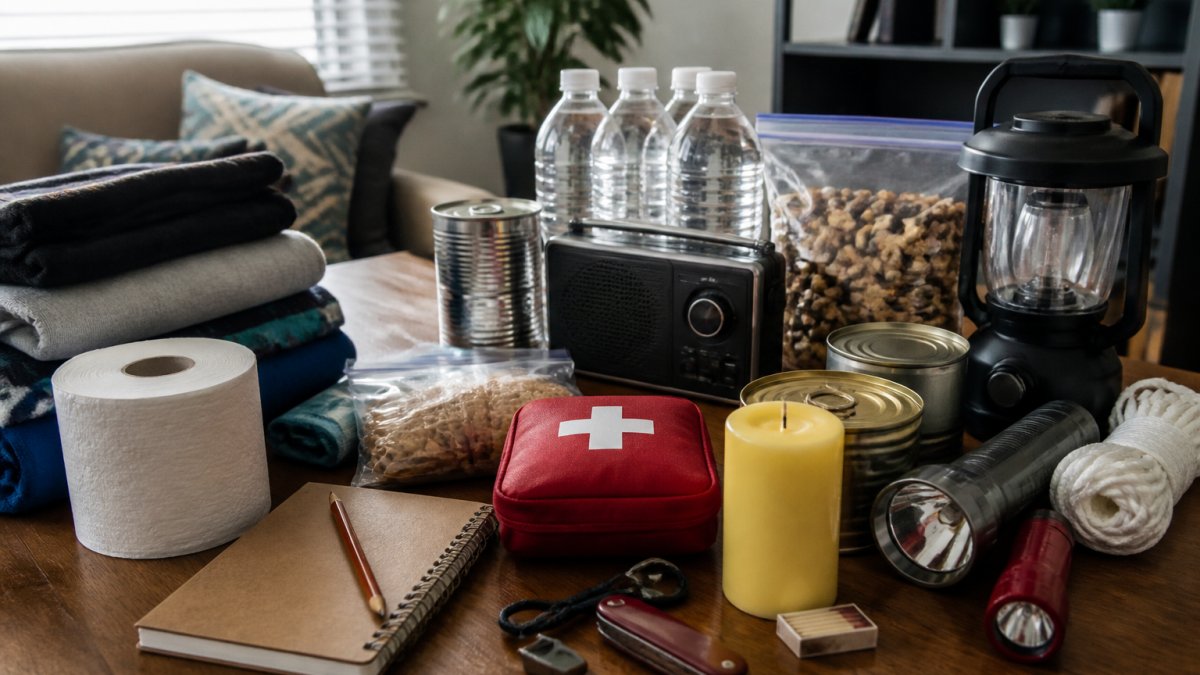
Table of Contents
- Start With a Family Emergency Plan for Severe Weather
- Know the Difference Between a Watch and a Warning
- Build a Severe Storm Emergency Kit That Fits Your Space
- Power Outage Preparedness: What to Do Before the Lights Go Out
- Your Severe Weather Preparedness Checklist by Hazard
- Prepare for Households With Pets, Kids, and Medical Needs
- After the Storm: Safety and Recovery Steps
- Frequently Asked Questions
Last Updated: October 16, 2026
Start With a Family Emergency Plan for Severe Weather
The most important step in how to prepare for severe storms happens before the first cloud forms: build a family emergency plan for severe storms that everyone can follow under pressure. Households with a written plan often move faster and panic less when alerts sound.
A family emergency plan for severe weather is a written document that assigns each person a role, lists shelter locations, and sets a communication chain. It takes about 30 minutes to draft and should be reviewed twice a year.
The National Weather Service storm safety guidance stresses that plans work only when every member knows their part. So write it down, then walk through it together.
Assign Roles and Build a Communication Chain
Give every person a job. A clear role stops people from freezing or duplicating tasks.
- One person grabs the emergency kit
- One person moves pets to the safe room
- One person checks on elderly or disabled family members
- One person monitors alerts on a phone or radio
Pick one out-of-town contact. Local lines jam during storms, but long-distance calls often connect.
Identify Shelter Locations in Every Building You Use
Know your safe spot in each place you spend time: home, work, school, and a relative's house.
For tornadoes and high winds, choose an interior room on the lowest level, away from windows. For floods, go up, never down. A basement that shelters you from wind can trap you in rising water.
Know the Difference Between a Watch and a Warning
A watch means conditions are possible, so get ready. A warning means danger is happening or imminent, so act now. That single distinction drives every decision you make during storm season.
The FEMA ready.gov alert guidance explains that watches give you time to prepare, while warnings demand immediate action. Learn the terms before you need them.
But the terms alone don't tell you what to do. The missing piece in most guides is a hazard-by-hazard decision guide that connects each alert to a specific action. Use the table below to move from "I heard an alert" to "I know exactly what to do" without hesitation.
| Alert Type | What It Means | Immediate Action |
|---|---|---|
| Tornado Watch | Conditions are favorable for tornadoes | Review your shelter location, charge phones, keep shoes and a flashlight nearby |
| Tornado Warning | A tornado is indicated by radar or sighted | Go immediately to your interior safe room on the lowest level, cover your head, stay off the road |
| Flood Watch | Flooding is possible in your area | Move valuables to higher floors, avoid low-lying roads, prepare to evacuate if told |
| Flood Warning | Flooding is occurring or imminent | Move to higher ground immediately, never drive through moving water, avoid basements |
| Winter Storm Watch | Heavy snow or ice is possible | Stock extra food and water, charge devices, plan to stay home, keep heat on |
| Winter Storm Warning | Severe winter conditions are occurring | Stay indoors, avoid travel, watch for carbon monoxide from heaters, layer up |
| High Wind Watch | Damaging winds are possible | Secure loose outdoor items, park vehicles away from trees, prepare for power outages |
| High Wind Warning | Damaging winds are occurring | Stay indoors, avoid windows, stay clear of trees and downed power lines |
| Evacuation Order | Leave immediately | Follow your planned route, take your kit, do not delay |
Many phones now push automatic alerts. Turn those on and keep the volume high overnight. But don't rely on a single channel, a battery-powered NOAA weather radio works when cell networks fail.
Print this table and post it where everyone can see it. In the moment, you won't have time to search for definitions, you'll need the action.
Build a Severe Storm Emergency Kit That Fits Your Space
A severe storm emergency kit holds the supplies you need to survive without power, water, or a store run for at least three days. Small apartments can store a full kit in one closet or under a bed.
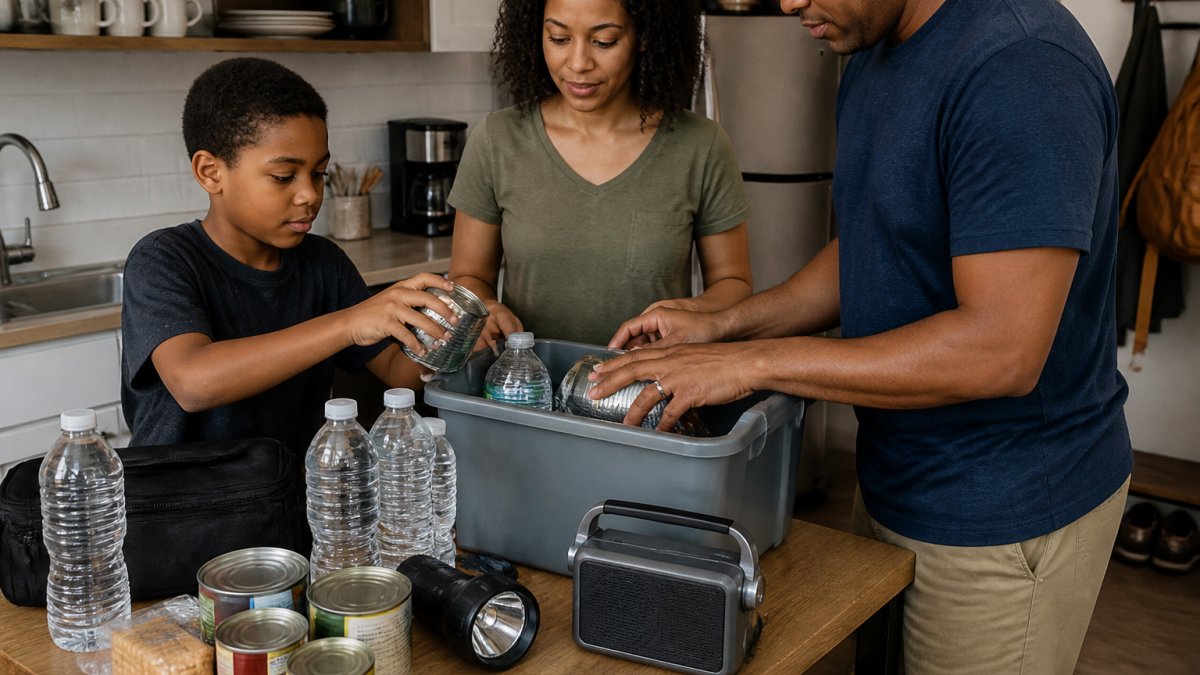
The American Red Cross survival kit checklist recommends building your kit around water, food, and light first. Add the rest as space and budget allow.
Food, Water, and the Three-Day Supply Rule
The three-day supply rule means you store enough for 72 hours. That covers most outages and gives responders time to reach you.
- One gallon of drinking water per person per day
- Non-perishable food that needs no cooking or refrigeration
- Manual can opener, plus a few days of pet food
- Any prescription medicines, labeled and rotated
Aim for a three-day supply to start. Extend it to two weeks if you have room.
Lighting, Radio, and Backup Power
Store a flashlight and extra batteries in every room you sleep in. Keep a battery-operated radio for updates when cell networks drop.
- Flashlight plus spare batteries
- Battery-operated or hand-crank radio
- Power banks, charged weekly
- A small first-aid kit
Skip candles. They start fires, and a power outage is the worst time for one.
Power Outage Preparedness: What to Do Before the Lights Go Out
Power outage preparedness starts with the small tasks you finish today, not the scramble when the grid fails. A few habits keep your home livable during an outage.
- Charge phones and power banks when storms are forecast
- Set your fridge and freezer to their coldest settings
- Fill bathtubs and containers with water for flushing
- Keep a home inventory and important documents in a waterproof bag
Keep a small emergency fund in cash. Card readers and ATMs go down with the power.
Your Severe Weather Preparedness Checklist by Hazard
A severe weather preparedness checklist should match the threat you face. Different storms demand different actions, and one generic list won't cover them.
| Hazard | Key Action | Where to Shelter | Watch Out For |
|---|---|---|---|
| Tornado | Go to interior room, lowest level | Safe room, away from windows | Flying debris |
| Flood | Move to higher ground | Upper floor or higher land | Driving through water |
| Winter storm | Stay home, keep heat on | Heated interior room | Carbon monoxide, ice |
| High winds | Secure loose items outside | Interior room | Downed power lines |
Tornado, Flood, Winter Storm, and High Wind Actions
Each hazard has a clear first move.
- Tornado: Get low, cover your head, stay off the road
- Flood: Never drive through moving water; turn around
- Winter storm: Layer up, watch for carbon monoxide from heaters
- High winds: Bring in patio furniture and stay clear of trees
Print the table above and post it where everyone can see it.
Prepare for Households With Pets, Kids, and Medical Needs
Standard kits miss the people who need the most help. Build extra supplies around every dependent in your home, and go beyond the basics to plan for mobility, sensory, medication, and medical-device needs. This is the accessible and medically tailored preparedness that most guides skip.
Start with the general additions:
- Pack pet food, leashes, and vaccination records
- Add comfort items and activities for kids
- Store a week of medicines and a written medication list
- Keep backup power for medical devices
Now tailor the plan to each person's specific needs.
Mobility and Sensory Needs
For anyone with mobility challenges, identify shelter locations that are physically reachable without stairs if possible. If stairs are unavoidable, assign a specific person to assist and practice the route. Keep a lightweight go-bag within reach of a wheelchair or walker, and store a spare pair of glasses or hearing-aid batteries in your kit.
For sensory sensitivities, include noise-canceling headphones, a familiar comfort item, and a written social story or visual schedule for children who need predictability during chaos.
Medication and Medical Devices
Store at least a week of prescription medications in your kit, rotated before expiration. Keep a written list of medications, dosages, and prescribing doctors in a waterproof bag. For medical devices that require power, CPAP machines, insulin pumps, oxygen concentrators, plan for backup power. A battery bank sized for your device, or a car adapter, can bridge a multi-day outage. Talk to your medical supplier about emergency replacement procedures.
Caregiver Coordination
If you care for an elderly relative or someone with a disability, coordinate with a backup caregiver who knows the plan. Share your communication chain and shelter locations with them. During a storm, check on your care recipient first, they may not be able to act on alerts independently.
Renters and Landlords
Renters should talk to landlords about building safety and know their exit routes. Ask where the designated shelter is in your building, and confirm whether the landlord has a plan for power outages in common areas.
After the Storm: Safety and Recovery Steps
The danger doesn't end when the wind stops. Post-storm injuries are common, and most are preventable.
- Wait for officials to declare it safe before going out
- Avoid downed power lines and standing water
- Check on neighbors, especially the elderly
- Photograph damage before cleanup for insurance claims
- Restock your kit and note what you used
Then update your plan while the details are fresh. Every storm teaches you something your checklist missed.
Frequently Asked Questions
What should be in a severe storm emergency kit?
A severe storm emergency kit should cover three days of non-perishable food and drinking water (one gallon per person per day), a flashlight with extra batteries, a battery-operated or NOAA weather radio, first-aid supplies, medications, a phone charger, and copies of important documents in a waterproof bag. Add pet food, baby supplies, and cash in small bills if your household needs them. Store everything in a sealed bin or duffel you can grab in under a minute.
Where is the safest place to shelter during a severe storm?
Move to the lowest level of a sturdy structure, ideally a basement or a small interior room with no windows, like a hallway, closet, or bathroom. Put as many walls between you and the outside as possible. In an apartment building, use the ground floor or a designated storm shelter if one exists. Avoid windows entirely, and do not open them during a tornado, since that does not equalize pressure and only increases injury risk.
How do you make a family emergency plan for severe weather?
A family emergency plan for severe weather starts with three decisions: where you shelter in each building you use, who contacts whom if you are separated, and where you reunite if your neighborhood is evacuated. Write down phone numbers on paper, since cell networks often fail during storms, and pick one out-of-area contact everyone checks in with. Practice the plan twice a year so kids and elderly family members know the steps without thinking.
What should you do after a severe storm passes?
Stay inside until officials confirm it is safe, since downed power lines and damaged trees cause most post-storm injuries. Check on neighbors, especially elderly or medically dependent ones, then inspect your home for gas leaks, water damage, and structural cracks. Avoid driving through flooded roads, keep a battery-operated radio on for updates, and photograph any damage before cleanup for insurance claims. If the power is out, keep fridge and freezer doors closed to preserve food longer.
Severe storms will test your household whether you're ready or not. FlintReady helps you prepare with a calm, operational approach: take the three-minute readiness scan, track live threats on our national dashboard, and get a prioritized fix list you can act on today. Get started with FlintReady and turn storm anxiety into a plan you can trust.