Essential Disaster Supplies for Families: 2026 Checklist
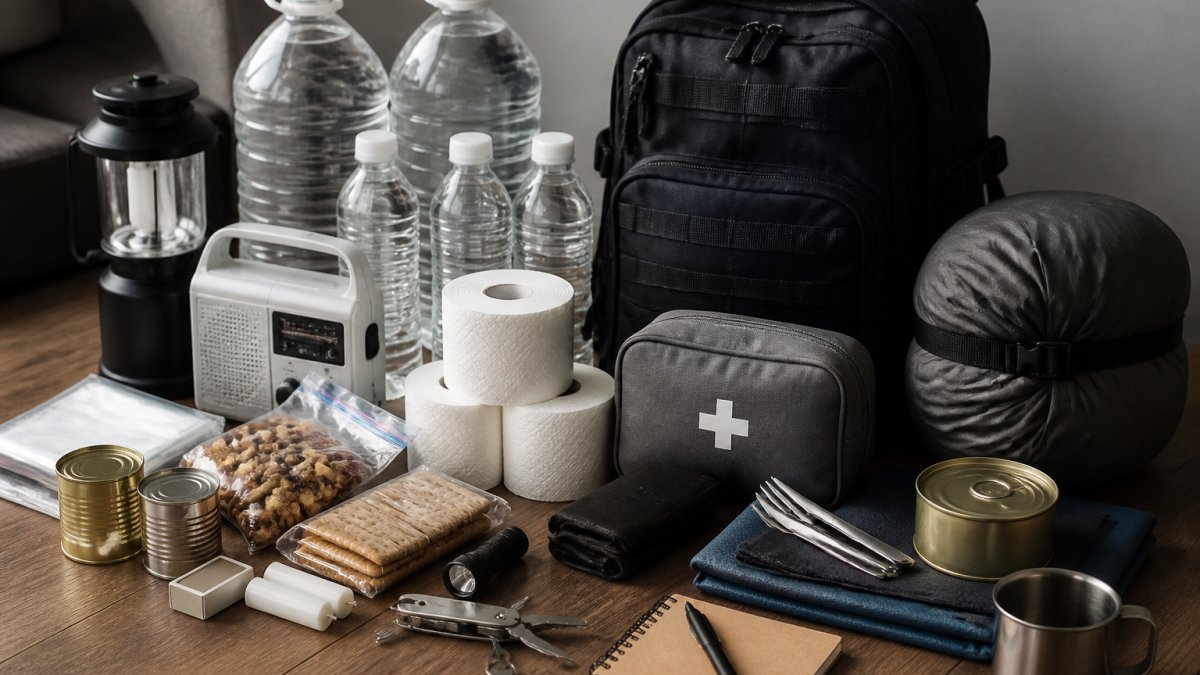
Table of Contents
- Start With Water and Food: The Core of Essential Disaster Supplies for Families
- Your Family Emergency Kit Checklist: First Aid, Medication, and Personal Needs
- Power, Light, and Communication: Flashlights, Batteries, and Radios
- Building a 72-Hour Emergency Kit for Family Households
- Disaster Preparedness Kit on a Budget: Staged Building That Works
- How to Store Emergency Supplies in Small Spaces
- Frequently Asked Questions
Last Updated: October 13, 2026
Start With Water and Food: The Core of Essential Disaster Supplies for Families
Water and food decide whether your family rides out a disaster comfortably or dangerously. This FlintReady guide breaks the essential disaster supplies for families into usable quantities.
Federal guidance is clear on the target: households should plan for at least a three-day supply of water and food per person, with a two-week supply as the stronger goal. You can read the full federal recommendations at Ready.gov's build a kit guidance.
How Much Water Your Family Actually Needs
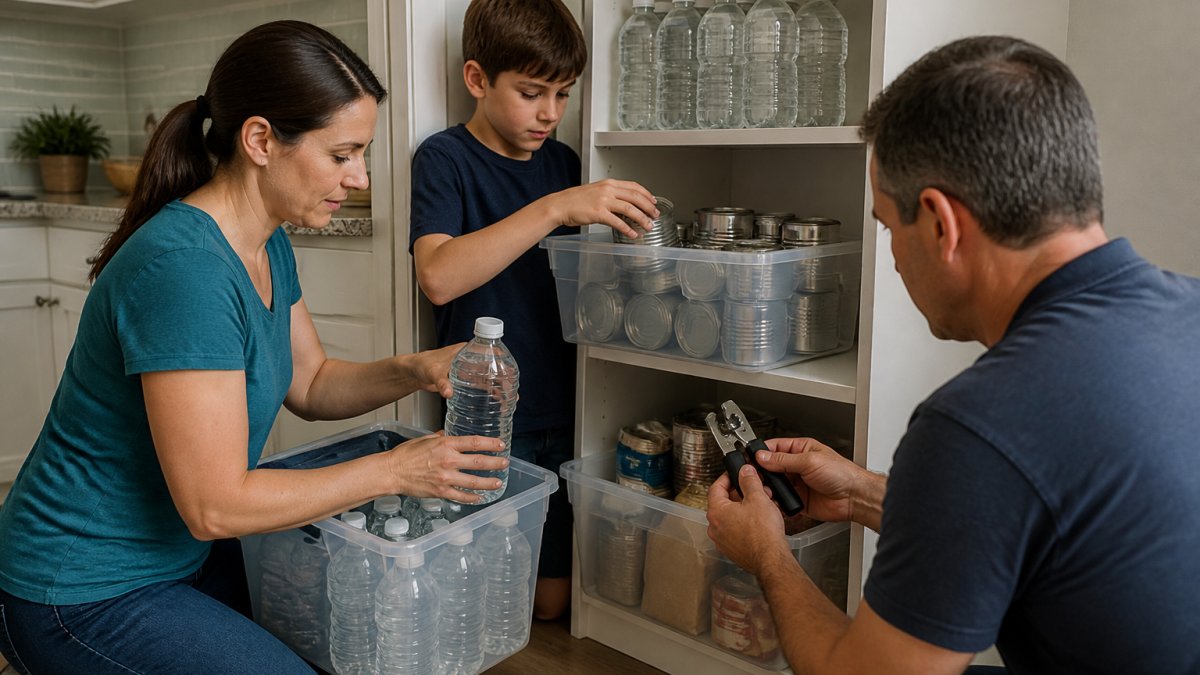
Plan one gallon of drinking water per person per day, a family of four needs 12 gallons for three days, covering drinking, cooking, and light hygiene. Add more for pets, a nursing mother, illness, or hot climates.
- Drinking water: 1 gallon per person per day
- Pets: roughly 1 quart per small pet per day
- Cooking and hygiene: add 1 extra gallon per family per day
If space is tight, purification tablets and a filter are your backup. Bottled water still wins the first 72 hours because it needs no setup.
Nonperishable Food That Fits Your Family's Diet
Stock food your family already eats, unfamiliar rations get ignored, then expire unused. Build meals, not ingredients: beans plus rice plus salsa; crackers plus peanut butter plus dried fruit. Keep a manual can opener; power failures make electric ones useless.
- Canned beans, vegetables, and fruit
- Peanut butter and nut butters
- Rice, oats, and pasta
Families managing allergies, diabetes, or gluten-free diets should store food matching those requirements, not generic kits.
Your Family Emergency Kit Checklist: First Aid, Medication, and Personal Needs
A family emergency kit checklist only works if it covers the people in your house: medical supplies, prescription backups, and personal items tailored to your family's ages, abilities, and conditions. Most checklists stop at bandages and aspirin.
First Aid and Medical Supplies for Every Age
Start with a stocked first aid kit and add what families actually reach for: children's fever reducers, antihistamines, and kid-friendly bandages. Age changes what you need.
- Infants (0-12 months): Infant acetaminophen or ibuprofen (check with your pediatrician for dosing), a nasal aspirator, electrolyte solution for dehydration, diaper rash cream, and a digital rectal thermometer. Include a copy of the infant's immunization record and pediatrician contact.
- Children (1-12 years): Child-sized bandages, children's fever reducers, oral rehydration salts, a small flashlight for checking throats, and a comfort item like a stuffed animal to reduce anxiety. Include a list of any allergies and a note about whether they can take aspirin (children should not take aspirin during viral illnesses due to Reye's syndrome).
- Teens and adults: Standard first aid supplies, plus any personal medications. If someone wears contact lenses, pack spare lenses and solution. If someone has a chronic condition like asthma, include a spare inhaler and a peak flow meter.
Add a written list of allergies and blood types for each family member. If someone cannot speak for themselves, that page does the talking.
Prescriptions, Glasses, and Hearing Aids
Store at least a seven-day supply of every prescription, rotated so nothing expires, plus a written copy of dosages and prescriber names, pharmacies refill faster with that information. Add eyeglasses, contact lens solution, hearing aid batteries, medical devices, chargers, and backup power. For refrigerated medications like insulin, pack a cooler with ice packs and a thermometer. If someone relies on electricity for medical equipment (CPAP, oxygen concentrator), plan backup power and know how to operate it manually.
Personal Needs and Comfort Items
Disasters are stressful, especially for children and those with sensory sensitivities. Pack:
- A favorite small toy, book, or blanket for each child
- Noise-canceling headphones or earplugs for those overwhelmed by noise
- A deck of cards or a small game for distraction
These items make a real difference in morale during an evacuation or outage.
Power, Light, and Communication: Flashlights, Batteries, and Radios
Light and information keep a family calm when the grid fails. Store extra batteries in the sizes you use and check them every six months. A hand-crank or battery radio keeps you connected when cell towers are overloaded.
- One flashlight per family member
- One battery-powered lantern per room you gather in
- Extra batteries in AA, AAA, D, and any specialty sizes
The National Weather Service issues warnings through NOAA Weather Radio and alert systems, and a battery or hand-crank radio picks those up when your phone has no signal. Program local stations in advance.
Store important documents, IDs, insurance policies, bank records, and emergency contacts, in a waterproof pouch, plus cash in small bills. Card readers fail when power and networks go down.
Building a 72-Hour Emergency Kit for Family Households
A 72-hour emergency kit for a family is not just a portable version of your home supplies. Build two kits: a go-bag for evacuation and a larger home cache for sheltering in place. Most families need both.
What Goes in a Family Go Bag
Each person gets a go bag, light enough to carry for an hour without help. Weight limits vary by age and ability.
- Adults: Aim for a pack under 20 pounds. Include three days of water (1 gallon per person per day, that's 3 gallons, which weighs about 24 pounds, so consider a water filter as a backup to reduce weight), nonperishable food, a change of clothing, sturdy shoes, a warm blanket or sleeping bag, personal hygiene items, copies of important documents, a flashlight, batteries, a whistle, and any personal medication.
- Children (6-12 years): Scale down to a pack they can carry comfortably, usually 10-15% of their body weight. Include a smaller water bottle (refillable), easy-open snacks, a change of clothes, a small blanket, a flashlight, a whistle, and a comfort item. Teach them how to use the whistle and flashlight.
- Toddlers and infants: You will carry their supplies. Pack a separate diaper bag with formula, bottles, diapers, wipes, a change of clothes, a blanket, and any baby medications. Include a carrier or stroller if needed.
For pets, pack food, a leash, vaccination records, and a pet first aid kit.
Evacuation vs. Shelter in Place: Two Kits, Two Purposes
Two scenarios, two kits: evacuation means grab the go bag and leave; shelter in place means live off stored supplies.
Scenario | What You Grab | Where You Store It | Key Supplies |
|---|---|---|---|
Evacuation | Go bag per person | Near the exit, easy to reach | Water, food, documents, meds, cash |
Shelter in place | Home supply bins | Cool, dry closet or shelf | Two-week water and food, radio, sanitation |
Extended outage | Both | Split between home and car | Chargers, batteries, lanterns, blankets |
Pack the go bag for evacuation and the bins for staying put. Tailor contents: an infant needs formula, bottles, and a portable crib; an older adult using a walker needs a spare or a plan to carry it; a pet needs its own go bag with food, water, and a leash.
Family-Specific Quantities and Age-Based Adjustments
Generic checklists say "three days of water per person." Here is what that means for a family of four (two adults, one child, one infant) over 72 hours:
- Water: 1 gallon per person per day = 12 gallons total. For the infant, add 1 quart per day for formula mixing. If you have a pet, add 1 quart per small pet per day. That's roughly 13-14 gallons. To reduce weight, pack a water filter and carry only 3 gallons, refilling from safe sources.
- Food: 3 days of nonperishable meals. For adults, about 2,000 calories per day. For children, 1,200-1,800 calories per day. For infants, formula or breast milk. Pack easy-open cans, energy bars, and dried fruit. Don't forget a manual can opener.
- Medications: 7-day supply for each person, rotated every 6 months. Include a written list of dosages and prescriber names.
Adjust quantities: a nursing mother needs extra water and calories, a hot climate needs more water, and a member with diabetes needs appropriate snacks and insulin.
Scenario-Specific Adjustments
Keep the core kit the same, but adapt it to your regional risks:
- Floods: Add waterproof bags for documents and electronics, a portable NOAA weather radio, and rubber boots. Store your go bag on an upper floor.
- Wildfires: Include N95 masks, goggles, and a battery-powered radio. Keep your car fueled and parked facing the exit.
- Hurricanes: Add plywood or window shutters, a hand-crank radio, and extra water for sanitation. If you evacuate, take your go bag and a cooler with perishable food.
Disaster Preparedness Kit on a Budget: Staged Building That Works
A disaster preparedness kit on a budget gets built over months, not one shopping trip. Start with free and cheap wins: fill clean containers with tap water, buy one extra can of food each grocery trip, add a flashlight from a drawer.
- Stage 1: Water, basic food, one flashlight, documents
- Stage 2: Radio, first aid kit, medications, batteries
- Stage 3: Two-week food supply, water filter, sanitation supplies
Skip the expensive gadgets until the basics are covered. A calm, staged plan beats a panic purchase every time.
How to Store Emergency Supplies in Small Spaces
Apartment families face the same risks with far less room. Use vertical space and containers that fit under furniture: a bed riser turns under-bed space into storage, a closet shelf holds labeled bins, and a rolling cart tucks into a corner.
- Under-bed bins for water and nonperishable food
- Stackable clear containers for easy inventory checks
- A rolling cart for quick access to daily-use items
Label everything with contents and dates. Clear bins beat opaque ones because you can see what you have without opening them.
Rotation, Expiration, and Maintenance Schedule
Supplies expire. A kit you never check becomes dead batteries and spoiled food.
Set two calendar reminders a year, ideally at daylight saving changes. Replace expired food, test flashlights, swap old batteries, check water containers for leaks, and update medications and documents.
Task | Frequency | What to Check |
|---|---|---|
Test flashlights and radios | Every 6 months | Batteries, bulbs, crank function |
Rotate food and water | Every 6-12 months | Expiration dates, seals, leaks |
Update medications | Every 6 months | Expiry, dosages, new prescriptions |
Review documents and contacts | Once a year | IDs, insurance, phone numbers |
Restock go bags | Every 6 months | Clothing sizes, seasonal gear, snacks |
A quick check twice a year keeps the system alive. Families who skip it often find their supplies unusable when they need them.
Frequently Asked Questions
What are the essential supplies for a family emergency kit?
A complete kit covers water, food, first aid, power, and personal needs. Store one gallon of water per person per day, nonperishable food with a manual can opener, a first aid kit with prescription medications, flashlights with extra batteries, a battery-powered or hand-crank radio for NOAA alerts, a cell phone charger, important documents in waterproof bags, cash, sturdy shoes, warm blankets, hygiene items, and supplies for babies, older adults, and pets. A whistle and multi-purpose tool round out the basics.
How much water should a family store for an emergency?
Plan on one gallon per person per day for drinking and basic sanitation, plus extra for pets. A family of four needs 12 gallons for a 72-hour emergency kit for family use. Store bottled water in a cool, dark place and rotate it every six months. If storage space is tight, add a water filter or purification tablets as a backup so you can treat tap or rainwater when supplies run low.
How often should you check and replace emergency kit supplies?
Check your disaster supplies every six months. Replace expired food, medications, and batteries, and test flashlights and radios. Rotate bottled water at the same time. A simple schedule works: review in spring and fall, swap out anything past its date, and restock what your family used. This habit keeps your kit ready without a full rebuild and prevents surprises when you actually need it.
What is the difference between a home disaster kit and a go bag?
A home disaster kit stays in your house and supports shelter in place for at least 72 hours, with larger water and food stores, sanitation supplies, and a fire extinguisher. A go bag is portable and packed for evacuation, holding lighter versions of the same items plus copies of important documents, emergency contacts, area maps, and a change of clothing. Keep one go bag per family member near an exit.
A disaster rarely gives warning, and a plan you never built cannot protect the people you love. FlintReady turns that vague worry into a clear, prioritized list you can act on this week. Run the three-minute readiness diagnostic to find your real gaps, use the live national threat dashboard to see what is heading your way, and follow the field guides for power outages, storms, and more. Get started with FlintReady and build a household plan that actually holds up when it matters.