Wildfire Smoke and AQI: When to Change Your Plans
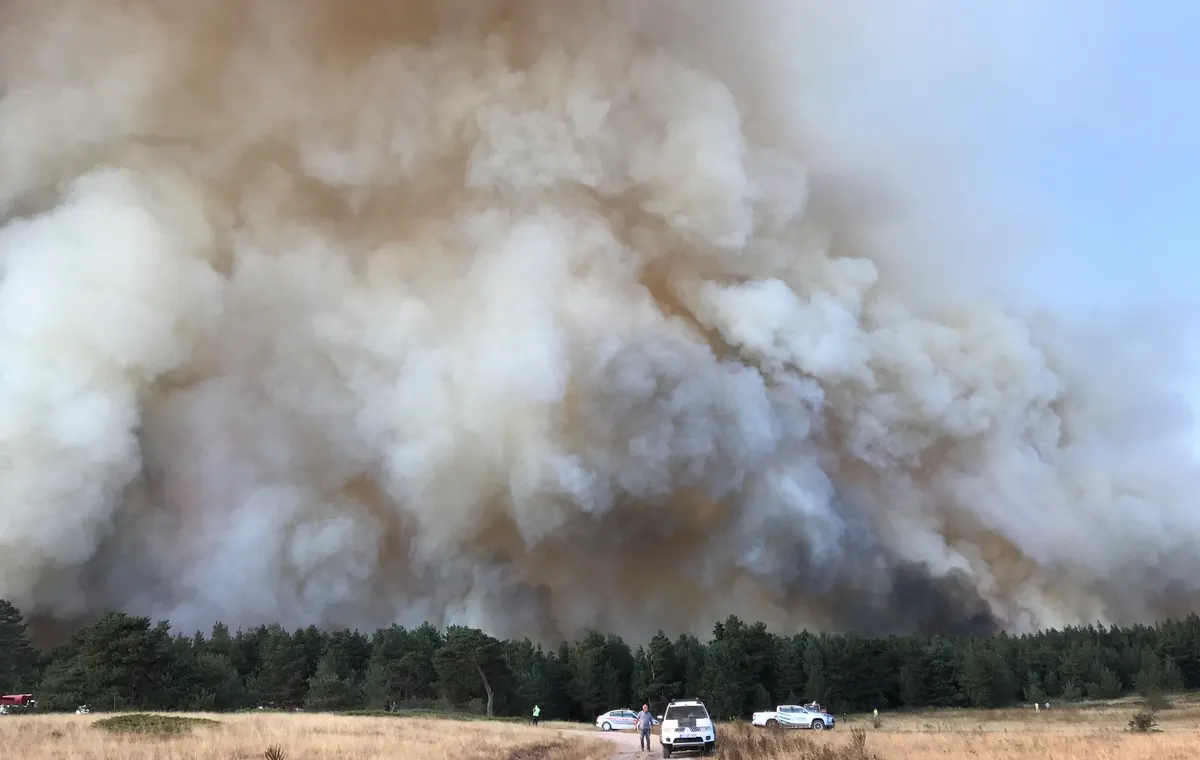

Wildfire smoke can change by the hour and travel far beyond the fire perimeter. The Air Quality Index, or AQI, gives you a common scale for deciding when to reduce exposure—but personal health guidance from a clinician takes priority.
Use the AQI as a trigger
Check AirNow or your local air agency before outdoor work, exercise, school activities, or travel. As the AQI worsens, reduce the time and intensity of outdoor activity. Children, older adults, pregnant people, outdoor workers, and people with heart or lung conditions may need to act sooner.
Improve indoor air
- Close windows and doors when smoke levels rise, if indoor temperatures can remain safe.
- Set central HVAC systems to recirculate when appropriate and use the highest-efficiency filter the system can safely handle.
- Run a correctly sized portable air cleaner in the room where household members spend the most time.
- Avoid adding particles indoors through smoking, candles, frying, or unnecessary vacuuming.
- Know where you could go—such as a cleaner-air shelter or air-conditioned public building—if your home becomes too hot or smoky.
Masks and outdoor exposure
Cloth and surgical masks do not provide reliable protection from fine smoke particles. A well-fitting NIOSH-approved N95 or P100 respirator can reduce particle exposure when worn correctly, but it does not filter gases and does not replace evacuation instructions.
Connect alerts to action
Use Mission Control to monitor wildfire and air-quality conditions, then confirm instructions with local emergency management, public-health agencies, and AirNow. Decide in advance which AQI level will cancel outdoor plans or move a vulnerable family member to cleaner air.
Write down your cleaner-air room, filter sizes, and relocation option.
Turn this information into a readiness action
Monitor official weather, fire, flood, earthquake, and air-quality feeds in one place.
Open resource → Free readiness planBuild a severe-weather planConnect alerts, shelter, evacuation, power, communications, and household needs.
Open resource → Optional field libraryCompare disaster playbooksReview hurricane, wildfire, flood, winter storm, earthquake, and blackout field editions.
Open resource →Primary sources checked
Reviewed Jul 19, 2026. Local authorities and product instructions take priority during an active emergency.