Boil Water Advisory vs. Do Not Drink vs. Do Not Use
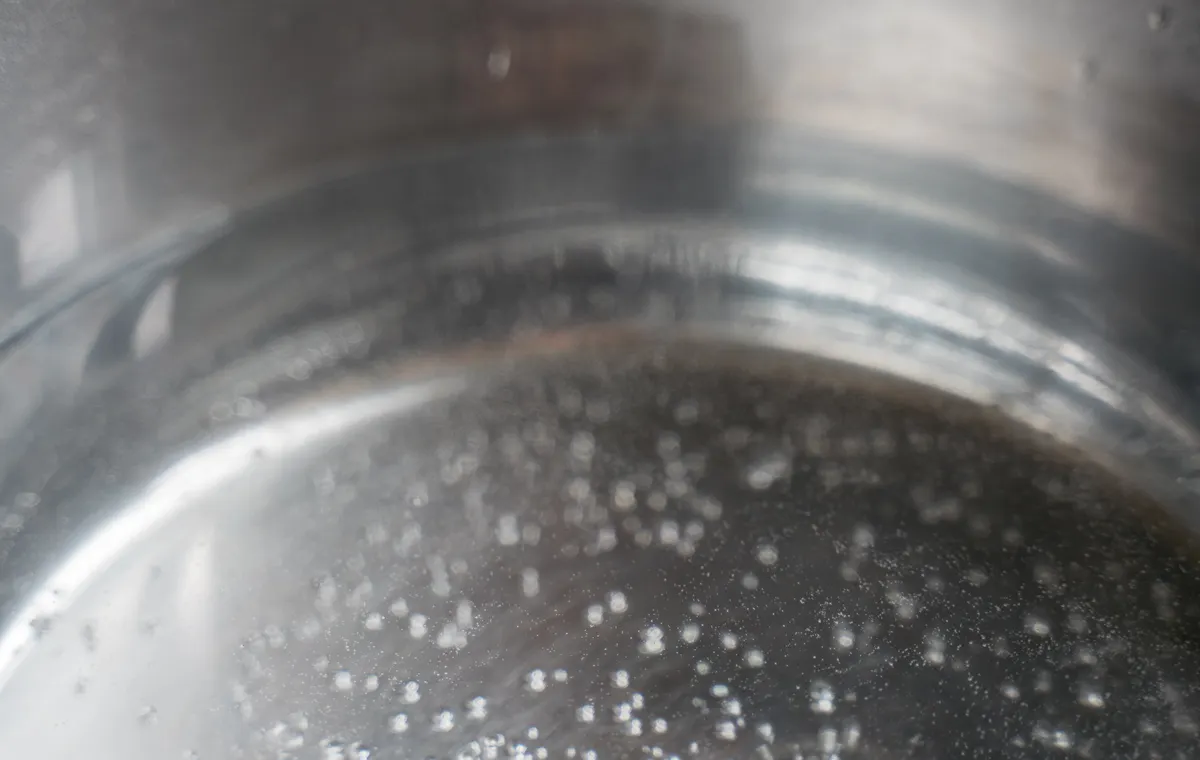

A water notice is an instruction, not a general warning. The exact words matter because boiling can address many germs, but it cannot remove fuel, solvents, heavy metals, or other chemical contamination.
Boil water advisory
This usually means disease-causing organisms may be present. Follow the issuing utility's instructions. When boiling is directed, bring clear water to a rolling boil for one minute, then let it cool in a clean, covered container. At elevations above 6,500 feet, CDC guidance calls for three minutes.
Use the treated or approved bottled water for drinking, brushing teeth, making ice, preparing food and infant formula, and giving water to pets. Dishwashing and bathing instructions can vary, so check the local notice rather than assuming.
Do not drink advisory
This can indicate contamination that boiling will not make safe. Do not drink the tap water or use it for cooking, ice, brushing teeth, or pet water. Use commercially bottled water or another source specifically approved by local officials. The notice may still allow flushing toilets, cleaning, or limited bathing; follow its exact boundaries.
Do not use advisory
This is the most restrictive notice. Avoid all contact with the water, including bathing and washing dishes, unless officials give a specific exception. Boiling is not a workaround.
Five actions when a notice appears
- Save a screenshot of the notice and confirm the issuing utility or health department.
- Write down the notice type and affected addresses; nearby systems may not share the same water source.
- Turn off automatic ice makers and discard ice made during the affected period.
- Use your stored supply first and reserve bottled water for drinking and food preparation.
- Wait for the official all-clear. Then follow any flushing, filter-replacement, or appliance-cleaning directions.
Mission Control can help you find current local alerts, but the water utility or public-health agency that issued the notice remains the controlling source.
Store the notice types with your emergency water plan.
Turn this information into a readiness action
Set a realistic storage goal for people, pets, climate, and the length of the disruption.
Open resource → Free readiness planBuild a water emergency planConnect storage, treatment, advisories, sanitation, and backup collection into one plan.
Open resource → Optional field editionWater Cut & Contamination PlaybookUse printable decision pages for the first seven days of a water disruption.
Open resource →Primary sources checked
Reviewed Jul 19, 2026. Local authorities and product instructions take priority during an active emergency.