How Much Emergency Water Does Your Family Need?
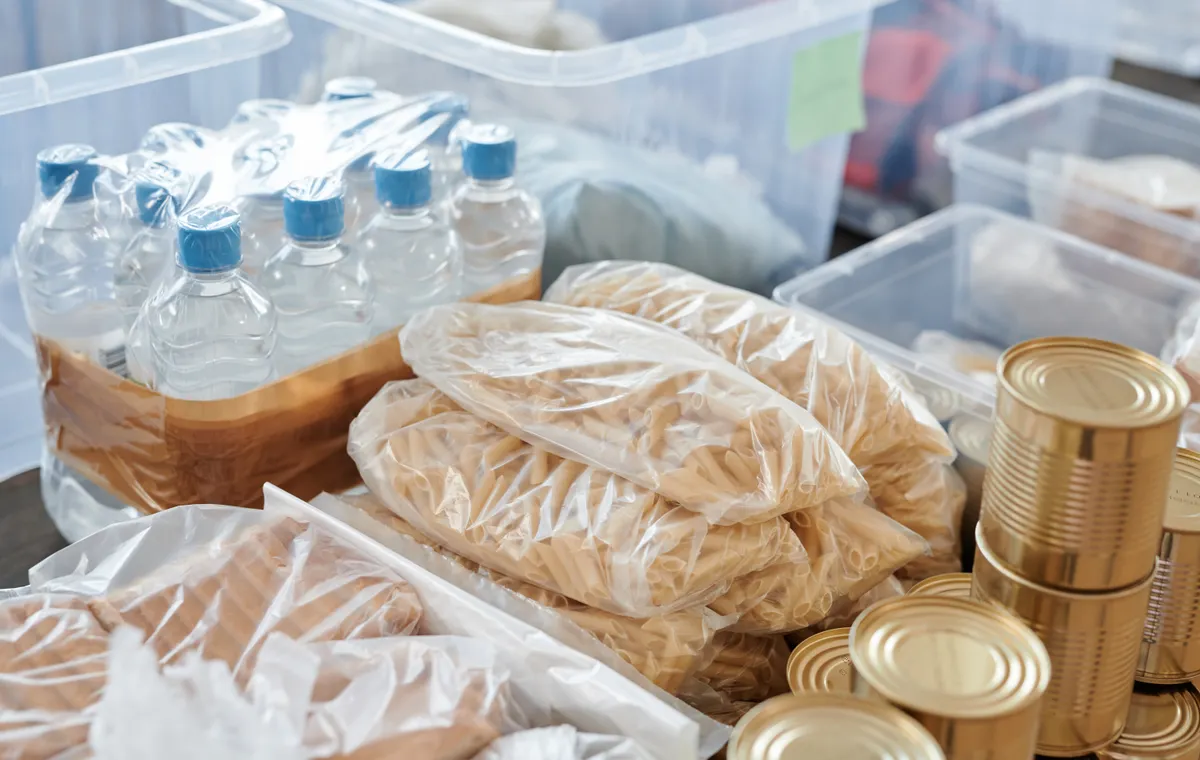

The federal planning baseline is at least one gallon of water per person per day for drinking and sanitation. That is a minimum planning number, not a promise that every household will use the same amount.
The basic calculation
People × days × 1 gallon = baseline gallons.
- Two people for three days: 6 gallons.
- Four people for three days: 12 gallons.
- Four people for 14 days: 56 gallons.
Use the FlintReady water calculator to model household size, duration, and pets.
When to store more
Hot climates, pregnancy, illness, heavy physical activity, medical equipment, and pets can increase the need. Infants and people with dietary or medical requirements may also need a specific commercially bottled supply. Discuss medical needs with a clinician.
Build the supply in layers
- Start with three days of commercially bottled water or correctly filled food-grade containers.
- Expand toward two weeks as space and budget allow.
- Use containers you can safely lift. Several smaller containers are often more practical than one large drum.
- Label self-filled containers and replace the water every six months.
- Add treatment capability as a backup, but do not count contaminated source water as stored drinking water.
Do not forget access
Store water where it will remain cool, out of direct sunlight, and away from fuel, pesticides, and other chemicals. Do not use containers that previously held toxic substances. Keep a small amount near bedrooms or mobility equipment if reaching the main supply could be difficult.
Calculate your baseline, then add one practical layer at a time.
Turn this information into a readiness action
Set a realistic storage goal for people, pets, climate, and the length of the disruption.
Open resource → Free readiness planBuild a water emergency planConnect storage, treatment, advisories, sanitation, and backup collection into one plan.
Open resource → Optional field editionWater Cut & Contamination PlaybookUse printable decision pages for the first seven days of a water disruption.
Open resource →Primary sources checked
Reviewed Jul 19, 2026. Local authorities and product instructions take priority during an active emergency.