Is Refrigerator Food Safe After a Power Outage?
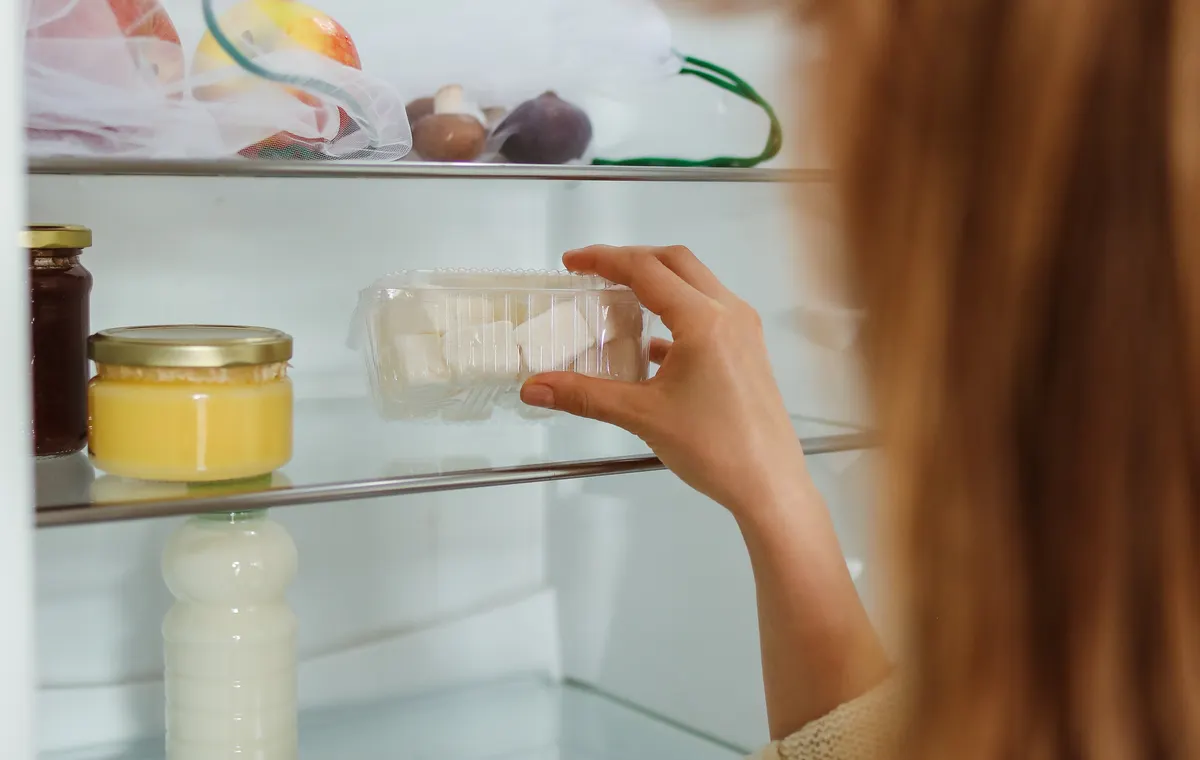

Food can look and smell normal while still being unsafe. During an outage, time and temperature—not a taste test—should drive the decision.
The quick rules
- Refrigerator: An unopened refrigerator generally keeps food safely cold for about four hours.
- Full freezer: About 48 hours if the door stays closed.
- Half-full freezer: About 24 hours if the door stays closed.
- Perishable food: Discard food held above 40°F for more than two hours.
Keep doors closed. Every unnecessary check releases cold air and shortens the safe window.
What to do during the outage
- Write down when the power failed.
- Check an appliance thermometer without lingering at the door.
- If the outage will exceed four hours, move high-value perishables to a cooler with enough ice or frozen gel packs to hold 40°F or below.
- Group frozen items together. A tightly packed freezer warms more slowly.
- Use shelf-stable meals first instead of opening the refrigerator repeatedly.
When power returns
Frozen food that still contains ice crystals or measures 40°F or below may be refrozen, although quality can decline. Discard perishable refrigerated food if it has been above 40°F for more than two hours. Never taste food to decide whether it is safe.
A small preparedness upgrade
Keep a refrigerator/freezer thermometer, two coolers, frozen gel packs, and a written inventory near the kitchen. That low-cost setup makes the decision much clearer when the lights go out.
Add food-safety timing to your power-outage plan.
Turn this information into a readiness action
Estimate calories, meals, and preparation water before buying pantry food or packaged emergency kits.
Open resource → Free guideBuild a two-week food supplyCreate a rotating meal-based pantry without relying on panic buying or unfamiliar foods.
Open resource → Free pantry toolTrack food rotationKeep quantities, locations, review dates, and a printable pantry audit private on your device.
Open resource →Primary sources checked
Reviewed Jul 19, 2026. Local authorities and product instructions take priority during an active emergency.