How to Build a Resilient Pantry When Grocery Prices Rise
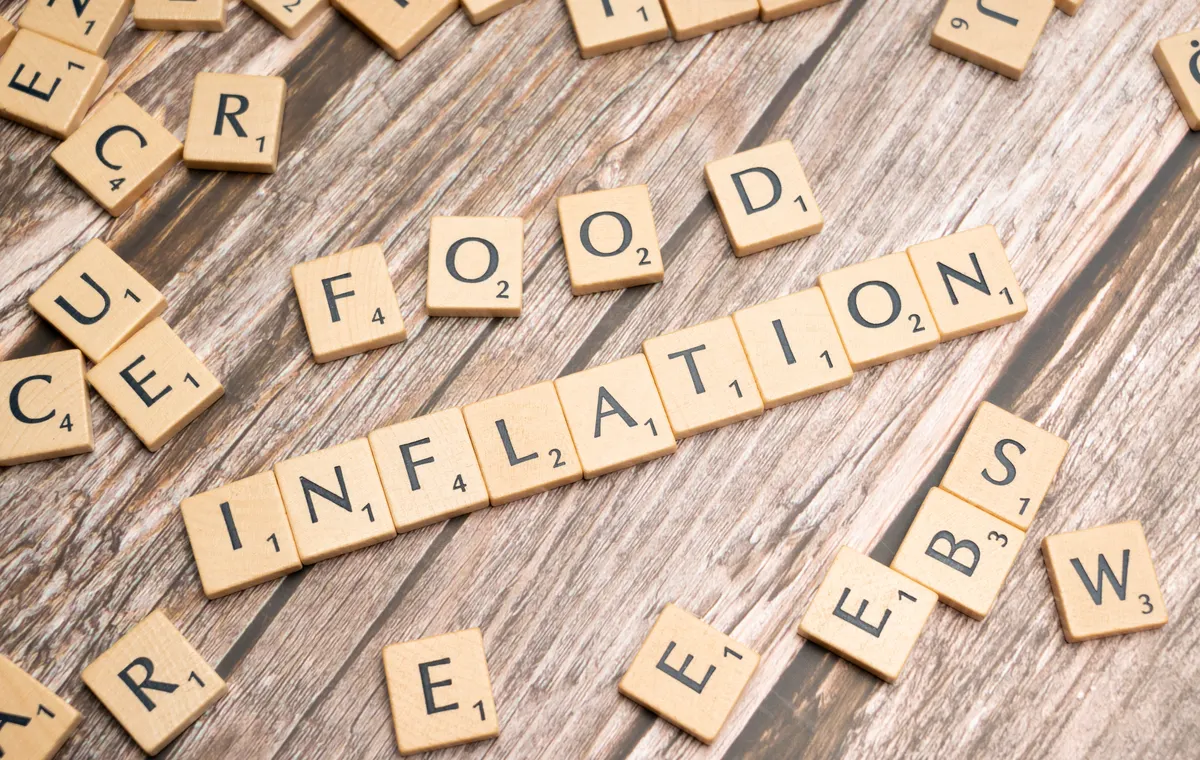

Food prices do not move as one block. Beef, eggs, produce, oils, and packaged foods can move in different directions at the same time. That is why a resilient pantry should be based on meals and rotation—not a prediction that everything is about to double.
Start with official data
USDA's Food Price Outlook and the Bureau of Labor Statistics Consumer Price Index provide category-level information. Use them for context, but do not treat a national forecast as your local shopping list. Local sales, dietary needs, storage space, and what your family actually eats matter more.
Build seven repeatable meals
List seven meals your household already eats that can be made mostly from shelf-stable ingredients. Examples include pasta and canned sauce, rice and beans, soup with crackers, oats with shelf-stable milk, and canned fish with grains. Record the quantity required for one meal, then buy one extra meal at a time.
Use a first-in, first-out pantry
- Place new items behind older ones.
- Mark the purchase month where it is easy to see.
- Follow package storage instructions and inspect damaged cans or packaging.
- Review the pantry monthly and move soon-to-expire food into normal meals.
- Track cost per ounce or serving, not the size of the package.
Buy gradually
A small weekly pantry line item is usually more sustainable than a panic purchase. Prioritize foods with multiple uses, then add comfort foods, infant or medical-diet items, pet food, and a manual can opener.
What this plan avoids
It does not depend on exact future prices, political predictions, or extreme shelf-life claims. It creates a buffer against temporary shortages, income disruption, storms, and ordinary weeks when the grocery budget is tight.
Turn seven familiar meals into a rotating household reserve.
Turn this information into a readiness action
Estimate calories, meals, and preparation water before buying pantry food or packaged emergency kits.
Open resource → Free guideBuild a two-week food supplyCreate a rotating meal-based pantry without relying on panic buying or unfamiliar foods.
Open resource → Free pantry toolTrack food rotationKeep quantities, locations, review dates, and a printable pantry audit private on your device.
Open resource →Primary sources checked
Reviewed Jul 19, 2026. Local authorities and product instructions take priority during an active emergency.