
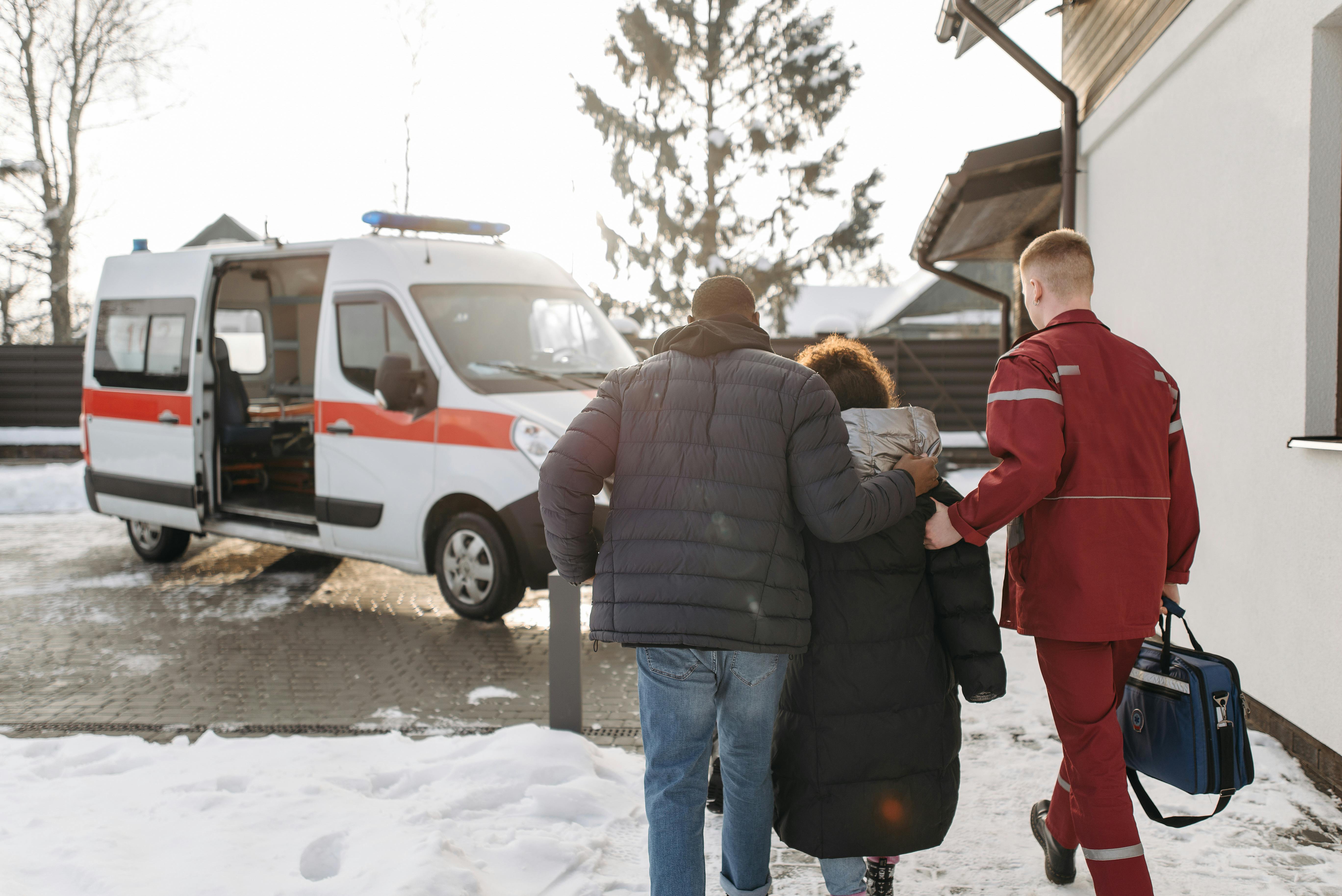
Urban survival gets a bad reputation. Mention "prepping" to a city dweller and they picture remote cabins, bug-out bunkers, and people who've written off civilization entirely. That's not you — and it's not what this is about.
Urban survival for families is practical: keeping your kids safe, your household functional, and your options open when the grid fails, a storm hits, or civil unrest makes your neighborhood temporarily unsafe. Here's how to think about it.
The Urban Threat Landscape
Urban families face different risks than rural preppers. Your real concerns:
- Extended power outages (heat in summer, cold in winter)
- Water supply disruptions (infrastructure failure or contamination events)
- Civil unrest or lockdowns that make leaving dangerous
- Supply chain disruptions (empty shelves during regional emergencies)
- Building-specific risks (elevator failures, fire evacuation with kids)
Most urban emergencies last 3–7 days. Prep for that window first, then extend your horizon.
Shelter in Place: The Urban Family's First Strategy
Bugging out is overrated. In most urban emergencies, staying home is safer than joining a million other people on clogged highways. Your apartment or house is your base of operations. Make it livable for a week without outside help.
Blackout Readiness
Power outages are the most common urban emergency. Every city family needs:
- Multiple LED headlamps — hands-free is essential with kids
- A portable battery power station to charge phones, power fans, and run a CPAP if needed
- Battery-powered NOAA weather radio for official alerts
- A plan for keeping kids occupied without screens for 72 hours (books, cards, board games)
→ Related: Urban Blackout Preparedness Guide
Food and Water for a Family
The math changes with children. A family of four (two adults, two kids) needs:
- Water: 12+ gallons minimum for 72 hours
- Calories: ~7,000–8,000 calories/day for the whole family
- Comfort matters: Kids under stress need familiar flavors — stock what they actually eat, not just what's most calorie-efficient
Focus on no-cook options: peanut butter, canned goods, granola bars, shelf-stable milk, individual snack packs. A hungry, stressed child is a major drain on the family's ability to function during a crisis.
The Family Communication Plan
This is the most underrated part of family emergency prep, and the easiest to implement for free.
- Pick an out-of-area contact everyone can call — someone in another city who can relay messages if local lines are jammed
- Set two meeting points — one near your home, one further away (school, community center, relatives' address)
- Teach kids your home address and phone number by heart — not just stored in a contact list
- Have a school pickup plan — who gets the kids if both parents are unreachable?
Write this plan down. Print it. Laminate it. Put copies in every family member's school bag or wallet.
When to Bug Out of the City
Sometimes leaving is the right call. Know your triggers in advance so you're not making emotional decisions under stress:
- Mandatory evacuation order issued for your zone
- Structural damage to your building
- Water has been off for 48+ hours with no restoration estimate
- Civil situation deteriorating with no law enforcement response visible
Know two routes out of your city. Know where you're going (a specific address, not just "somewhere north"). Have your go-bags packed and ready to grab in under 5 minutes.
→ Explore the Shelter & Camp Skill Track for detailed evacuation and shelter planning.
City-Specific Skills Every Urban Family Should Have
Know Your Building
Where are the fire exits? Where is the water shutoff valve? Where is the electrical panel? Most people live in their building for years without knowing the answers. Take 20 minutes to find out. Walk the exits with your kids so they know the route.
Pediatric First Aid
Take a pediatric first aid course if you have children under 12. Choking response for children differs from adults. CPR technique changes by age. A family-focused first aid kit should include children's medications: acetaminophen, antihistamine, and electrolyte solution.
Mental Resilience: The Skill No One Talks About
In a 3-day urban emergency, the biggest challenge isn't physical — it's mental. Keeping kids calm, managing adult stress, making decisions under uncertainty. Talk with your family about what you'd do in an emergency before it happens. Familiarity reduces panic significantly. Run a low-key "emergency drill" once a year.
Neighbors Are a Resource
In urban settings, your network matters more than your individual gear supply. Know your neighbors. Share skills and supplies. A community that communicates is more resilient than any individual household prep stack.
In an urban emergency, the families that fare best aren't the ones with the most gear — they're the ones with a plan everyone knows and practices.
🏙️ Ready to Get Your Family Prepared?
FlintReady's skill tracks are built for real families in real cities. Start with our free 72-hour checklist and go from there.
Get Free Family Checklist →Affiliate disclosure: Some links in this article are Amazon affiliate links (tag: sustainab0b2b-20). If you purchase through these links, we earn a small commission at no extra cost to you.
This post contains affiliate links. If you buy through our links, we may earn a commission — at no extra cost to you. This helps support FlintReady!