
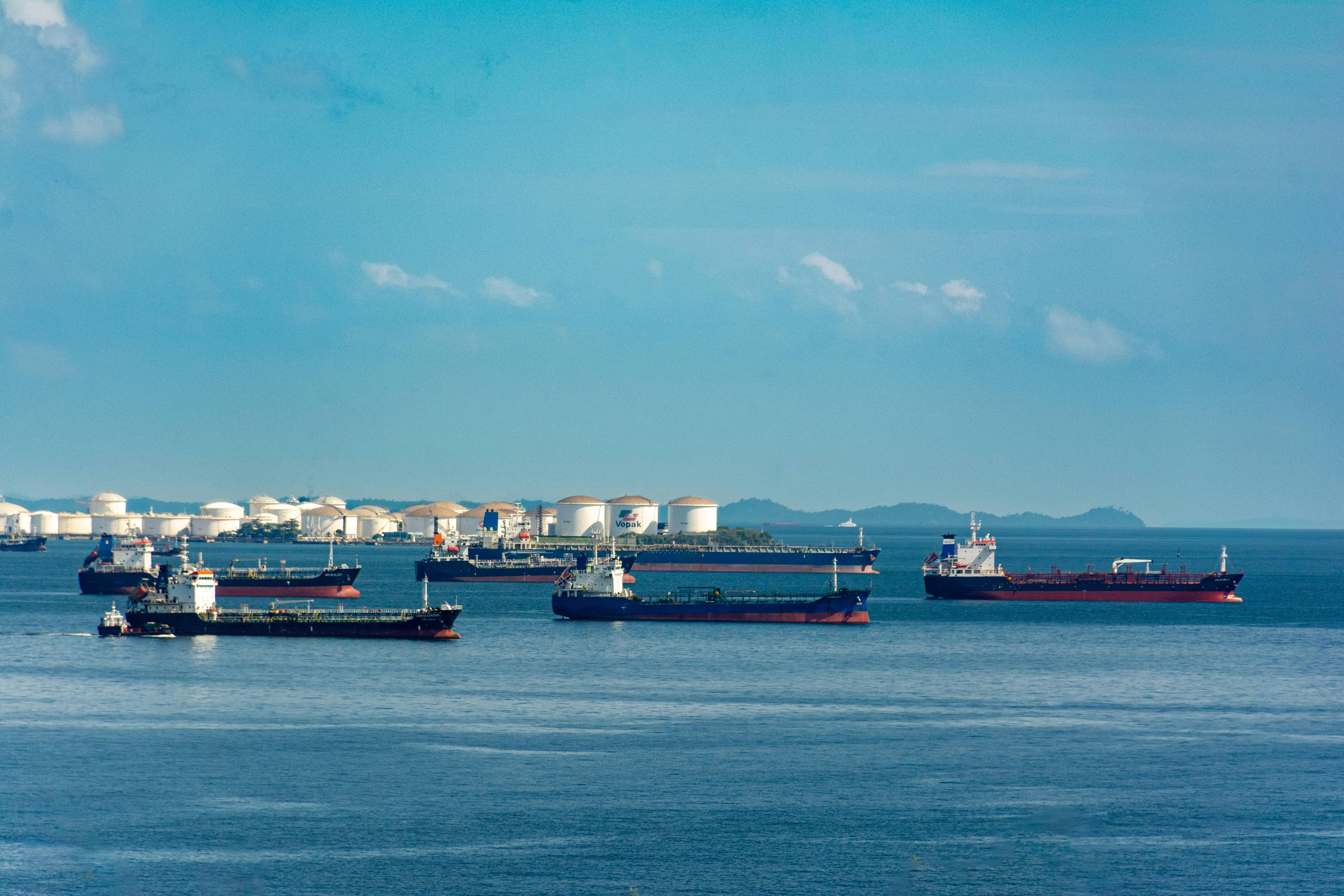
Cease-Fire Deal Just Dropped: What Preppers Need to Watch
The news just broke: The US and Iran have agreed to a cease-fire. Oil markets immediately reacted — crude jumped 3% on the announcement, then gave back half those gains as traders realized the terms are vague, with no timeline, verification, or enforcement mechanisms.
The 10-Point Cease-Fire: What We Know
The agreement outlines a temporary halt to hostilities, but the devil is in the details — or rather, the lack of them. Key points include:
- Immediate cessation of attacks in the Persian Gulf region
- Guaranteed shipping access through the Strait of Hormuz
- Diplomatic talks scheduled for the next 14 days
- No specific timeline for the truce duration
- Limited verification mechanisms for compliance
Market Reaction: Oil Prices and Beyond
The immediate market response tells the real story. Oil prices spiked on the news, then retreated as traders digested the lack of concrete details. This volatility pattern suggests:
- Markets are skeptical about the deal's longevity
- Supply chain concerns remain elevated
- Price sensitivity to any disruption in the Strait of Hormuz
What Preppers Should Watch Over the Next Two Weeks
1. Strait of Hormuz Traffic
Monitor shipping traffic through the critical chokepoint. If tankers continue flowing freely, prices should stabilize. Any disruption could send oil back toward $90/barrel.
2. Diplomatic Progress
The next round of talks will be crucial. Look for concrete agreements on verification and enforcement — without these, the cease-fire remains fragile.
3. Gas Price Trends
Local pump prices typically lag oil markets by 1-2 weeks. Watch for stabilization or continued volatility at your neighborhood stations.
Your 14-Day Watch Checklist
- ✅ Track oil futures (WTI and Brent crude)
- ✅ Monitor news from diplomatic talks
- ✅ Note local gas price trends
- ✅ Review your vehicle fuel storage options
- ✅ Consider fuel-efficient trip planning
Practical Steps if Gas Hits $5/Gallon
While we hope the cease-fire holds, preparedness means planning for volatility. If prices spike:
- Consolidate trips and optimize driving routes
- Consider Fuel Storage options (safety first!)
- Explore alternative transportation where possible
- Review your budget for increased fuel costs
The key is staying informed without overreacting. Geopolitical events create volatility, but prepared households ride out the waves.
FTC Disclosure: FlintReady may earn commissions from qualifying purchases made through links on this site. This helps support our mission of providing practical preparedness information at no extra cost to you.