Water Purification Methods Ranked — Complete Comparison
The complete field-tested ranking of water purification methods — boiling, filters, chemical tablets, UV, distillation, and more. What each method kills (bacteria, protozoa, viruses, chemicals), what it does not, and which method to pick for your specific scenario: US wilderness, international travel, post-disaster contamination, long-term storage, or household emergency.
- 01 WHAT YOU ARE FIGHTINGBacteria, protozoa, viruses, chemicals
- 02 THE METHODS RANKEDBest to worst for real conditions
- 03 PICK BY SCENARIORight method, right situation
- 04 FIELD PROTOCOLStep-by-step when you have unknown water
- 05 YOUR PURIFICATION KITThe minimum that covers every scenario
The Rule of 3s
Before ranking purification methods, you have to understand what is actually in the water. Four threat categories: bacteria (E. coli, Salmonella, Cholera), protozoa (Giardia, Cryptosporidium), viruses (Hepatitis A, Norovirus, Rotavirus), and chemical/heavy metal contamination.
Each method defeats different threats. Boiling kills everything biological but does nothing for chemicals. Filters remove bacteria and protozoa but NOT viruses in most consumer models. Chemical treatment kills most biological threats but leaves taste and some protozoa. Distillation removes everything including chemicals but is slow and fuel-intensive. There is no single best method — only the right combination for your threat profile.
Threat categories
- ☐ BACTERIA: 0.2-5 microns. E. coli, Salmonella, Cholera, Campylobacter. Defeated by boiling, most filters, chemical treatment.
- ☐ PROTOZOA: 1-15 microns. Giardia, Cryptosporidium. Defeated by boiling, 0.2 micron filters, chlorine dioxide (NOT regular chlorine).
- ☐ VIRUSES: 0.02-0.3 microns (too small for most filters). Hep A, Norovirus. Defeated by boiling, chlorine dioxide, UV, distillation, Grayl GeoPress, MSR Guardian.
- ☐ CHEMICAL / HEAVY METALS: Pesticides, lead, arsenic, industrial runoff. Defeated ONLY by activated carbon filters, distillation, or reverse osmosis.
- ☐ SEDIMENT / TURBIDITY: Not a threat itself but clogs filters and reduces UV/chemical effectiveness. Pre-filter through cloth.
Our ranking is based on: effectiveness against all four threat categories, speed, reliability under field conditions, and cost per gallon of treated water. We are not ranking by "coolest gear" — we are ranking by what actually gets you safe water.
Purification methods, ranked
- ☐ #1 — BOILING (1 minute rolling boil, 3 minutes above 6,500 ft). Kills everything biological. Cannot remove chemicals. Requires fuel/heat source. The gold standard.
- ☐ #2 — MSR GUARDIAN or Grayl GeoPress. Virus-rated filters. Instant, no waiting, removes bacteria + protozoa + viruses. Expensive ($250-$350) and heavier than basic filters. → Buy
- ☐ #3 — CHLORINE DIOXIDE TABLETS (Aquatabs, Katadyn Micropur). Kills bacteria, protozoa, AND viruses. 30 min for clear water, 4 hours for cold/cloudy. Slight taste. → Buy
- ☐ #4 — STANDARD FILTER + CHEMICAL BACKUP. Sawyer Mini ($25) + Aquatabs. Filter removes bacteria/protozoa, chemical kills viruses. The budget-friendly "belt and suspenders" combo. → Buy
- ☐ #5 — UV STERILIZATION (SteriPen). Instant, kills everything including viruses. Needs batteries, does not work in cloudy water, breaks easily. → Buy
- ☐ #6 — UNSCENTED BLEACH (8 drops per gallon, clear water, wait 30 min). Cheap, widely available, 12-month shelf life. Leaves chlorine taste. Does not kill Cryptosporidium reliably.
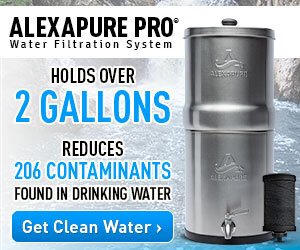
- ☐ #7 — GRAVITY FILTER (Berkey, Platypus). Slow (10 min/liter), high volume, household use. Bacterial/protozoal only unless paired with chemical. → Buy
- ☐ #8 — SODIS (solar UV). Clear plastic bottle in direct sun for 6+ hours. Works for clear water, no equipment. Weather-dependent.
- ☐ #9 — DISTILLATION. Removes EVERYTHING including chemicals and heavy metals. Extremely slow, fuel-intensive. Use when contaminated by industrial runoff or heavy metals.
- ☐ #10 — CLOTH PRE-FILTERING alone. Removes only sediment. NOT safe drinking water. Combine with a real method.
Different scenarios favor different methods. A day hike in Colorado does not need the same gear as a international refugee crisis or a post-hurricane contaminated water system. Match your method to your real threat profile and supply chain.
Recommendations by scenario
- ☐ US WILDERNESS (day hike, backcountry): Sawyer Mini alone. Bacteria/protozoa are the threats; viruses are rare in US mountain water.
- ☐ US WILDERNESS (multi-day): Sawyer Mini + Aquatabs backup. Filter for speed, chemical for reliability if filter clogs.
- ☐ POST-DISASTER (hurricane, flood): Boil first if fuel available, otherwise Aquatabs + filter. Assume virus contamination.
- ☐ INTERNATIONAL TRAVEL (developing countries): Grayl GeoPress. Virus-rated, no waiting, no batteries, treats 250+ liters per filter.
- ☐ HOUSEHOLD (stored water + tap replacement): Berkey or Platypus gravity filter. High volume, family-friendly.
- ☐ GO-BAG (weight critical): Sawyer Mini + 10 Aquatab backup. 5 oz total, handles 100,000 gallons over time.
- ☐ VEHICLE KIT: 5 gallons stored water + Sawyer Mini backup. Stored is fastest, filter is insurance.
- ☐ LONG-TERM EMERGENCY CACHE: Chlorine dioxide tablets (5-year shelf life) + backup filter. Tablets do not degrade like liquid bleach.
- ☐ INDUSTRIAL CONTAMINATION (factory runoff, heavy metals): Distillation is the ONLY effective method. Chemical and filter treatment will not remove lead, arsenic, or pesticides.
When you find water from an unknown source (creek, pond, post-disaster tap, rainwater collection), follow this protocol. It works across scenarios and treatment methods.
The 5-step field protocol
- ☐ STEP 1 — Choose the cleanest source. Moving water > standing water. Clear > cloudy. Upstream of any animal waste or settlements > downstream.
- ☐ STEP 2 — Pre-filter through a bandana, coffee filter, or cloth to remove visible sediment and debris.
- ☐ STEP 3 — Let it settle in a clean container for 30 minutes. Sediment falls to the bottom.
- ☐ STEP 4 — Apply your primary purification method (filter, boil, chemical) on the clear water above the sediment.
- ☐ STEP 5 — Store in a clean container with a tight-fitting lid. Label if not drinking immediately.
- ☐ For added safety in unknown water: use TWO methods in sequence (filter then chemical, or filter then boil).
- ☐ Never use water from industrial sites, agricultural runoff, or known chemical contamination sources — distillation only.
- ☐ If the water smells like chemicals, petroleum, or sulfur, do not drink it even after treatment — find another source.
Build your purification kit in layers: a primary method for speed, a secondary method for reliability, and a chemical backup for storage. Different failure modes, different treatment targets, same clean water.
Multi-layer purification kit
- ☐ Sawyer Mini filter — primary go-bag filter, 100,000 gallon capacity → Buy
- ☐ Aquatabs chlorine dioxide tablets — 30 count (treats 30 liters alone, used as backup) → Buy
- ☐ Grayl GeoPress — for international travel or virus-rated backup → Buy
- ☐ Platypus or Berkey gravity filter — household volume treatment → Buy
- ☐ Stormproof container for carrying treated water (Nalgene, hydration bladder)
- ☐ Coffee filters + bandana for pre-filtering visible sediment
- ☐ Unscented liquid bleach (5.25% sodium hypochlorite) — long-term emergency water treatment
- ☐ Measuring dropper for bleach dosing (8 drops per gallon, memorize the ratio)
- ☐ SteriPen Ultra — if UV appeals, for fast virus-capable treatment → Buy
- ☐ Portable stove + fuel if boiling is part of your plan
This free checklist covers the essentials. The Complete Prep Bundle covers everything after — scenario playbooks, 12 skill tracks, a diagnostic quiz, printable templates, and lifetime Premium access.
- 📖 The FlintReady Field Manual (140+ pages)
- 📋 5 Printable Checklists
- 📓 4 Scenario Playbooks (Hurricane, Blackout, Water Cut, Vehicle)
- 🗂️ Family Plan + Pantry Rotation Templates
- ⭐ Premium Lifetime Access
Affiliate links throughout. At no cost to you, FlintReady earns a small commission on Amazon orders, which keeps the site and checklist free. flintready.com/disclosure