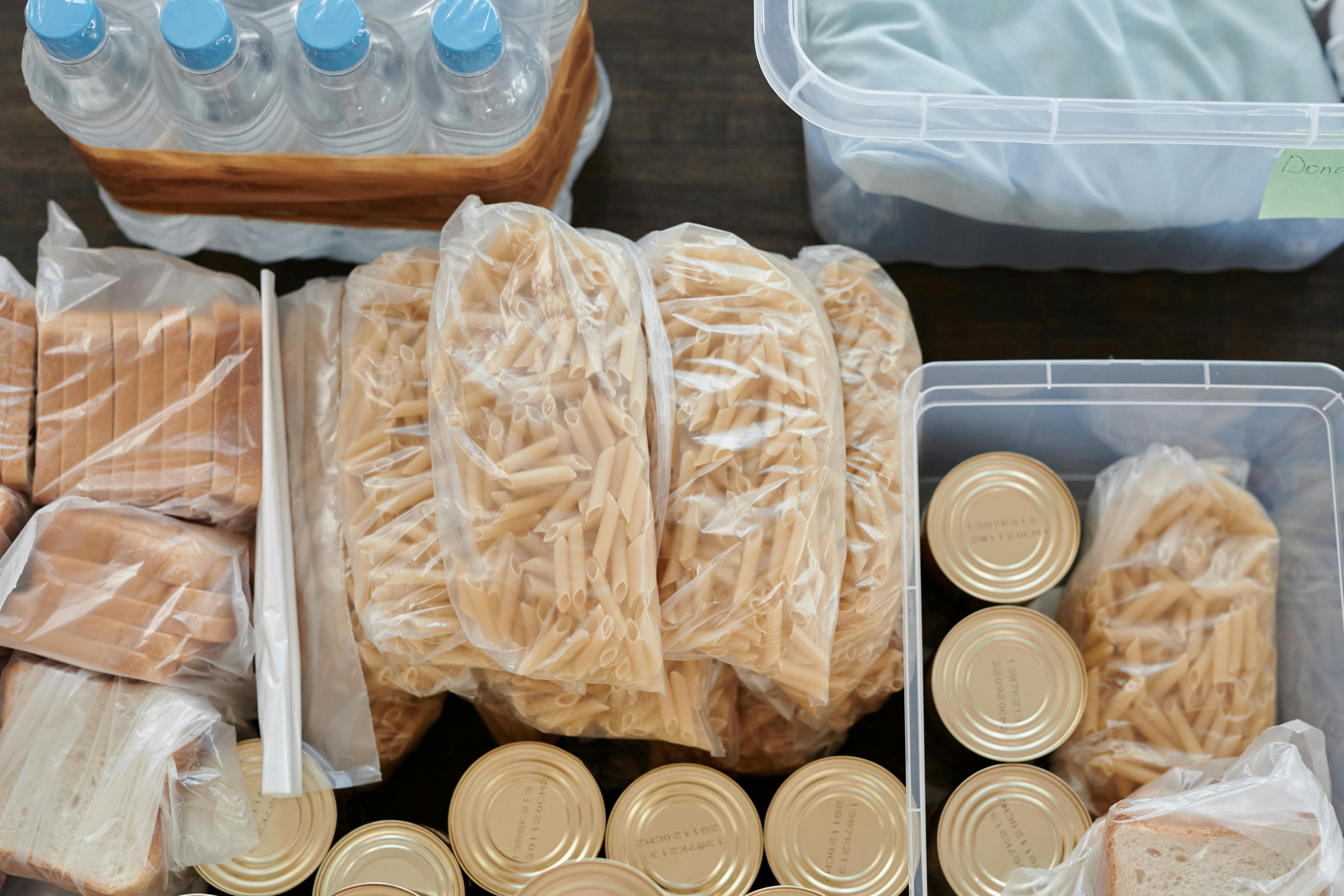

The most common reason people don't prep: "It's too expensive." That's understandable — survivalist YouTube can make you feel like you need a $5,000 kit before you're ready for anything. You don't. Effective prepping starts at $0 and scales as you're able.
This guide shows you how to build a legitimate 3-month emergency supply on a budget of $200 or less — one grocery trip at a time.
The Right Mindset: Slow, Consistent Accumulation
Budget prepping isn't about one big purchase. It's about steady accumulation. The goal: add $10–20 worth of emergency supplies every time you shop. In 3 months, that adds up to $130–$260 — and a serious food and water supply that would impress most preppers.
The other key shift: store what you eat. Don't buy specialty "prepper food" if you've never eaten it. Buy extra quantities of what you already consume. You'll actually rotate your supply instead of letting it expire untouched in a box.
Weeks 1–2: Water First ($0–20)
Before you spend a dollar on food, address water. The most frugal option:
- Fill clean 2-liter soda bottles with tap water (free)
- Label them with the fill date
- Store under your bed or in a closet
For $15–20, buy a set of stackable water containers and start building toward 1 gallon per person per day for 2 weeks. Water is the single most important emergency supply — and it can be nearly free.
Weeks 3–6: Build Your Caloric Base ($40–60)
The cheapest calories per pound come from dry goods:
Dry Staples (Best Value Long-Term)
- White rice: ~$1/lb, 1,600 calories/lb, 25+ year shelf life sealed. A 25-lb bag from a warehouse store runs $15 and feeds a family for weeks.
- Dried beans: ~$1/lb, excellent protein and fiber, 10+ year shelf life dry
- Rolled oats: ~$0.80/lb, great for breakfast, 30+ year shelf life properly stored
- Pasta: ~$1/lb, high calorie density, 3–5 year shelf life in original packaging
Spend $30–40 on dry goods and you've built the caloric foundation for months of meals.
Canned Goods (The No-Cook Backup Layer)
Buy one extra can every shopping trip. Prioritize high-calorie, high-protein options:
- Canned beans (~$1 each)
- Canned tuna or sardines (~$1–2 each)
- Canned soups and stews (~$1.50 each)
- Peanut butter — 40 oz jar ~$6, over 4,000 calories per jar
Weeks 7–10: The Protein Stack ($30–40)
Protein is the most expensive macronutrient to store. Budget options that punch above their weight:
- Dried lentils: The cheapest protein per dollar, cooks fast, stores for years
- Canned sardines: ~$1 each, rich in omega-3s, 3–5 year shelf life
- Instant nonfat dry milk: Cheap protein and calcium with a long shelf life; mix into oatmeal or rice dishes
- Peanut butter: Doubles as a fat source — calorie density is exceptional for the price
Weeks 11–12: Emergency Supplies ($30–50)
Once food and water are covered, finish your kit with key emergency supplies:
- Hand-crank NOAA radio — $25–35. Lifeline when the power grid fails.
- Headlamps (2-pack) — $15–20. Hands-free light for emergencies.
- Lighter and waterproof matches — $5. Never be without fire-starting capability.
- Basic first aid kit — $15–25 at any pharmacy.
3-Month Budget Prep: Summary Table
| Category | Estimated Cost |
|---|---|
| Water storage | $0–$20 |
| Dry goods (rice, beans, oats, pasta) | $40–$60 |
| Canned goods (accumulated over weeks) | $40–$60 |
| Protein stack (lentils, sardines, dry milk) | $25–$35 |
| Emergency supplies (radio, lights, first aid) | $30–$50 |
| Total | $135–$225 |
→ Explore more prep strategies in the Food & Foraging Skill Track
The goal isn't perfection — it's being less vulnerable than you were last month. A $5 jar of peanut butter moves the needle.
📋 Free Budget Prep Checklist
Get our free 72-hour checklist — the no-frills starting point for any budget. Zero cost, maximum impact.
Download Free Checklist →Affiliate disclosure: Some links in this article are Amazon affiliate links (tag: sustainab0b2b-20). If you purchase through these links, we earn a small commission at no extra cost to you.
This post contains affiliate links. If you buy through our links, we may earn a commission — at no extra cost to you. This helps support FlintReady!